Shoes
How to measure feet at home before buying shoes
Foot length helps you read size charts with more confidence, but brands and lasts can vary.
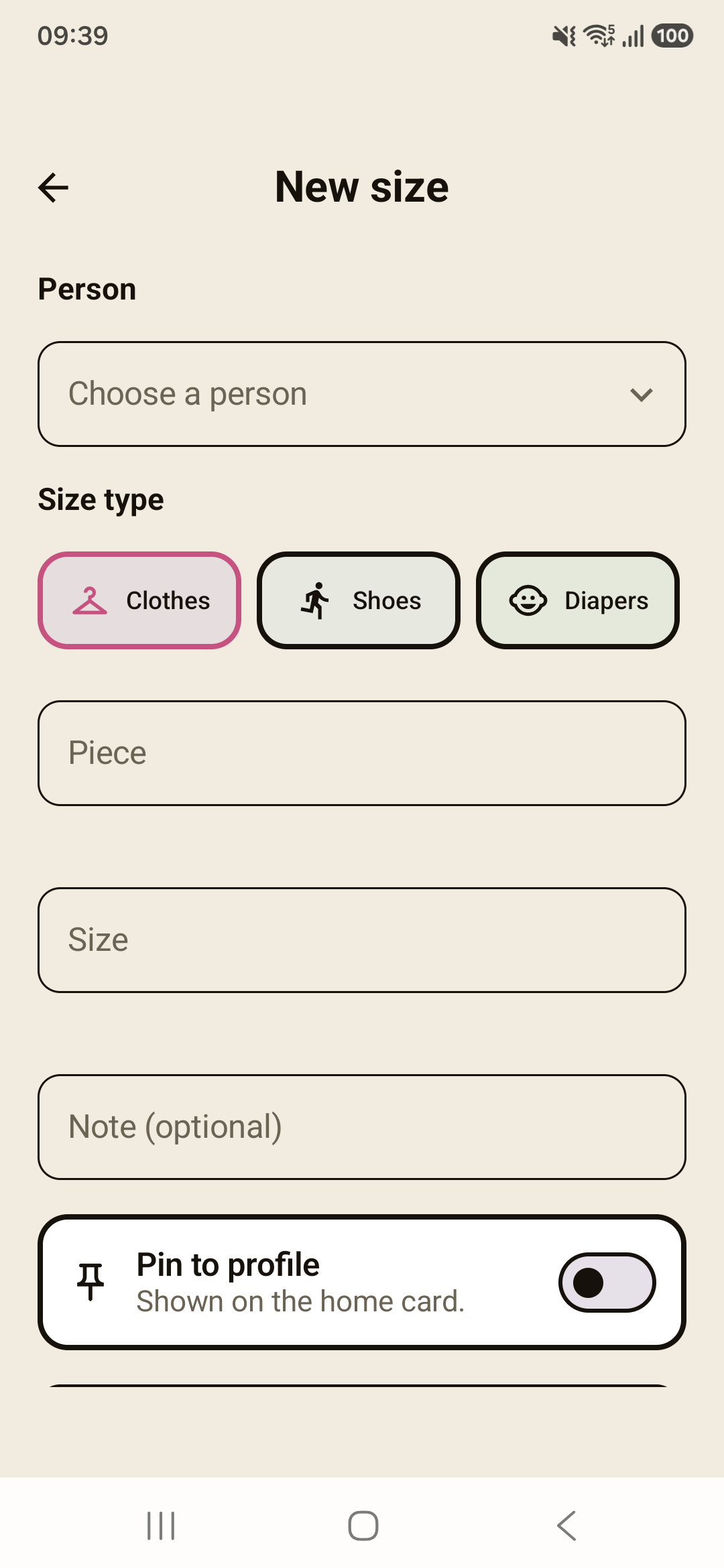
Save the size and what actually fit
In Veste, a shoe size can sit beside brand, width and notes such as narrow last, tight toe box or worked with thick socks.
View VesteBefore you measure
Use a sheet of paper against a wall, a pen, a ruler or measuring tape, and the type of sock usually worn with that shoe.
Measure near the end of the day if possible. Feet can be slightly larger after hours standing, which helps avoid a tight purchase.
- Stand up with weight distributed naturally.
- Keep the heel against the wall without pressing too hard.
- Hold the pen straight so the mark does not add extra length.
Step by step
Mark the longest toe
With the foot on the paper, mark the tip of the longest toe. It is not always the big toe.
Measure the length
Measure from the paper edge touching the wall to the mark. Repeat with the other foot.
Save width and context
If the foot is wide, high instep or uses an insole, keep that note beside the size.
How to use the measurement
Centimeters help you compare with the brand or store chart. They do not guarantee a perfect equivalent, because last shape, material and shoe type change the fit.
When a model fits well, save the size and brand. That practical record usually helps more than a generic chart.
Charts, brands and fits vary. Use the measurement as a starting point and check the return policy when buying online.
VESTE
Save this size with the context.
Add the person, category, size and notes that make the next purchase easier.